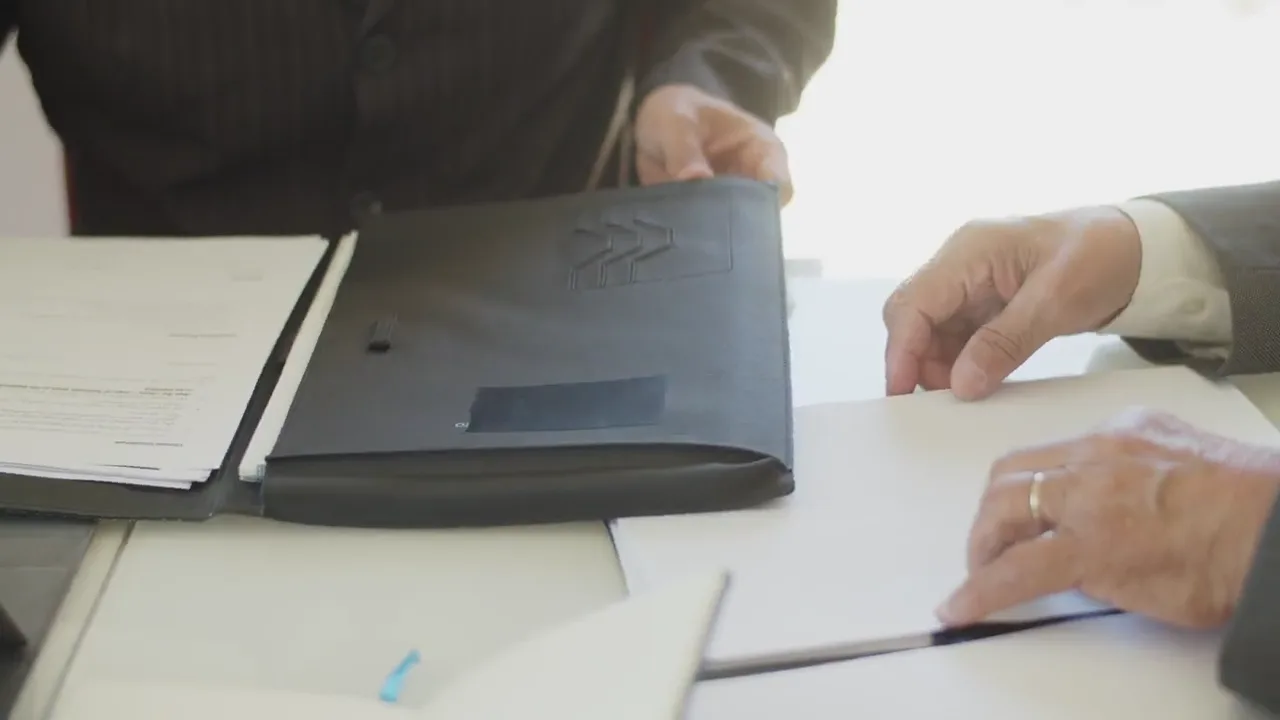
Preserve the complete papers and record when and how they were received. Ask an advocate promptly to identify the relevant response obligations; a calendar booking or a conversation with the claimant does not protect a procedural deadline.
Keep the papers complete and unchanged
Retain every page, attachment, envelope and available delivery record. Note the date, time, place and person receiving the papers. Make readable copies while preserving the original material. Avoid relying on a partial photograph forwarded by another person.
Tell the adviser about any previous papers or communication concerning the same dispute. Procedural requirements must be checked against the actual document and current rules, rather than inferred from the title of a letter.
Official background: Supreme Court of Cyprus: procedural regulations.
Separate allegations from your factual response
Create a concise chronology and identify which allegations you accept, dispute or cannot yet verify. Locate the agreement, invoices, payment records and correspondence supporting the response. Include potentially unfavourable material so the advice reflects the full position.
Do not send an improvised reply to the court or claimant without understanding its consequences. Settlement conversations and defence preparation can overlap, but neither should be assumed to suspend the proceeding.
Raise the deadline at the first contact
Give the court details, case reference and service information when seeking help. Ask the provider to confirm whether it can act in time and what immediate steps are needed. A proposed consultation service does not imply acceptance of urgent instructions.
If a response date may be near, seek prompt direct assistance rather than relying on a routine introduction event. Jurisdiction, service and available defences need assessment under the specific facts.
Agree the initial defence scope clearly
Confirm which pleading and preparatory work the fee includes, and whether filing or particular procedural actions are covered. Later applications, hearings, evidence and trial work may require separately agreed stages.
Keep the approved defence, filing evidence and future dates in one case record. Ask how updates will be communicated and when the strategy and budget will be reviewed as the claim develops.
Capture the complete service record immediately
Keep every page, attachment and envelope together. Record when and how the documents reached you, who received them and any conversation or electronic notification connected to delivery. Preserve the original electronic message where relevant. A cover page without the attached claim can leave the advocate unable to assess the issue or time-sensitive response properly.
Send the full papers promptly through the agreed intake route and flag any date shown on them. The lawyer must check the actual procedural position, including the applicable rules and any existing orders. Do not rely on a general number of days found online, and do not wait for a routine calendar slot on the assumption that booking protects you. Specific action is handled only after express acceptance and confirmation of responsibility.
Identify the person or organisation named as defendant
Check the exact names and capacities in the papers against the relevant agreement and records. If a company is named, identify who can instruct on its behalf and provide the necessary corporate information. If you are named personally in relation to a business transaction, explain the documents and any asserted guarantee. Do not assume the distinction is a typing error or answer for another person casually.
List any other defendants, insurers, business partners or professionals already involved. Tell the advocate about a contractual notice requirement or insurance policy that may be relevant, without assuming coverage. Conflicts, authority and coordinated instructions need to be checked before a response is accepted. A person who forwards the papers is not automatically authorised to make decisions for every named party.
Build a factual response to each material allegation
Prepare a working table with the allegation, your factual position and the supporting record. Mark what you know directly, what you cannot confirm and what you consider incorrect. Keep explanations specific. A statement that the whole claim is false is less useful for drafting than identifying the events, amounts and obligations you dispute.
Provide the complete agreement, correspondence, payment evidence and records of performance. Explain adverse documents instead of omitting them. If someone else holds relevant material, identify it and ask how the information should be sought. The initial defence stage has a defined evidence scope and may need a larger review where the papers, parties or technical questions exceed it. The aim is a supported response, rather than a persuasive narrative detached from records.
Separate a defence from your own possible claim
Explain any unpaid amount, loss or other remedy you believe you are owed. Keep those facts distinct from the reasons you resist the claimant’s demand. Your own complaint may raise a different procedural question and need separate assessment. The published first defence package excludes a counterclaim and should not be interpreted as including every affirmative remedy you may want.
Ask the lawyer to identify which issues belong in the accepted defence and which need additional work or another route. If a set-off or related claim is proposed, give the full supporting documents for legal assessment rather than inserting a figure into the response yourself. New allegations and parties can affect scope, costs and timing. They should be discussed early, particularly where an immediate response is required.
Disclose every existing procedural step and previous adviser
Provide copies of documents already filed, orders received, hearing notices, correspondence between lawyers and any settlement offer. Say whether another advocate currently represents you and whether they have accepted a particular deadline. A new consultation does not automatically replace them or change responsibility for the court timetable.
Ask how any handover, file transfer or change of representation will be addressed. Keep a written record of who is taking each required action. If you have already missed a date or received an adverse order, state that immediately; do not describe the matter as an ordinary first response without mentioning it. The suitable scope may be different, and the standard preparation estimate cannot resolve an unassessed procedural problem.
Review the defence and approve accurate instructions
When a draft is available, check the factual account, document references, calculations and identity details carefully. Tell the lawyer where wording goes beyond your knowledge or where important context is missing. Ask for an explanation of the legal approach and what the filing-stage work will conclude. Provide consolidated corrections within the agreed review process.
Confirm the arrangements for signature, submission and evidence of completion. Retain the approved version and filing confirmation in the case record. Do not assume that emailing comments, making payment or approving a draft means that a procedural document has been filed. The accepted scope should identify who performs the action and how you will know it was completed, with urgent responsibilities confirmed expressly rather than implied from the website timetable.
Prepare the next-stage plan and consider resolution
After the initial response, ask which decisions and categories of work may follow: evidence, directions, applications, negotiation, hearings and any other relevant steps. The exact route depends on the case and court. A fixed first-stage price does not include trial or every later attendance. Ask about separately disclosed external costs and the point at which a new fixed quote will be required.
Also explain your commercial or personal objective. Defending the claim and exploring a sensible settlement can be discussed without assuming either is automatically appropriate. Preserve new records and communications consistently. For a custom offer, send the complete served bundle, service history, your factual response, prior steps and urgency. These details let the advocate assess whether the published uncomplicated stage can safely fit or whether a tailored scope is necessary.
When court papers arrive, establish each responsibility
Use this as a discussion framework for your facts. It does not decide eligibility, legal validity or a likely outcome.
Swipe across to compare every column.
| Item | What to preserve or provide | What the advocate must confirm |
|---|---|---|
| Service details | Complete papers, date, method and recipient | Applicable response steps and deadlines |
| Named defendant | Exact identity, role and authority to instruct | Client represented and conflicts |
| Factual response | Allegation table and supporting originals | Accepted pleading and evidence scope |
| Previous action | Filed documents, orders and existing lawyer instructions | Handover and responsibility for further steps |
Turn the facts into useful questions
Court papers are received while a business owner is travelling. An employee forwards only the first page and the owner begins negotiating informally. The defence brief should preserve the complete papers and service record and seek prompt confirmation of the procedural position, without assuming negotiations protect the deadline.
- Where are the complete papers, attachments and delivery record?
- Which dates and existing orders need immediate assessment?
- Can the proposed provider accept the necessary instructions in time?
A hypothetical preparation scenario, not a client story or a prediction of a legal outcome.
Prepare a useful consultation brief
- Complete papers, case number and court details
- When and how service occurred
- Factual chronology and supporting evidence
- Any earlier response or settlement discussion
Start with a non-confidential summary. Keep complete documents for the approved onboarding channel after identity and conflict checks.
Relevant services & proposed fixed fees
Civil defence: initial pleading stage
A defined first response to a civil claim, with deadlines checked before acceptance.
Included preparation after written acceptance and complete documents. Court deadlines, service issues and later hearings are separate. Urgent matters require written acceptance of the specific deadline and scope. Third-party costs and later stages are separate.
Request a tailored scope for Civil defence: initial pleading stageQuestions worth asking
Can I wait until I understand all the papers before contacting someone?
Contact promptly with the complete papers and service details, even if the legal wording is unclear. The immediate question may be the response deadline. Do not wait for a routine booking if there is urgency, and obtain express acceptance of any required action.
Can the initial defence include my counterclaim?
The published stage excludes counterclaims. Provide the facts supporting any remedy you seek so the advocate can assess it separately and quote the appropriate additional scope if suitable.
What if the papers were delivered to someone else?
Record exactly what happened and preserve all associated evidence. The lawyer should assess the service and procedural position. Do not treat a possible service concern as permission to ignore the claim or a confirmed extension of time.
Will paying for the package make you responsible for every hearing?
No. Responsibility follows the accepted engagement and confirmed stage. Ask for the later roadmap, cost boundaries and any handover arrangements. Trials, applications and later hearings require separately defined work.
What should I prepare for this consultation?
Start with complete papers, case number and court details; when and how service occurred; factual chronology and supporting evidence; any earlier response or settlement discussion. Identify the missing evidence and the decision you need, so the provider can define a useful scope.
Can I request a fixed price for the next stage?
Yes. Use the custom-offer route to discuss a proposed €150 + VAT consultation and a defined next-stage scope. Confirm the advocate, availability, fee, VAT and excluded costs before engagement.
Sources & further reading
Official references support the procedural background. The checklists and examples are editorial preparation guidance. Sources checked 7 October 2026; confirm the current requirements for your facts before acting.
- Supreme Court of Cyprus: procedural regulationsOfficial Greek-language regulations and consolidated materials. Your advocate must confirm the rules applying to the particular case and papers.
- European e-Justice: procedural time limits in CyprusBackground overview that may describe older procedural regimes. Confirm the applicable current rules and actual court papers promptly; do not use generic day counts.
- European e-Justice: small claims in CyprusNational procedural overview; do not assume every local claim qualifies for the European procedure.
- CyLaw: Contract Law, Cap. 149Legal background to agreements; enforceability depends on the facts and applicable law.
General information, rather than an opinion on your case. No individual advocate review is represented by this article. Read the important legal details before relying on information.